Let’s be real, getting a super-energetic preschooler to sit still for handwriting can feel like trying to hold water in your hands. You might imagine a calm little writer, but what shows up is often a child who is wiggly, frustrated, and ready to melt down the second a pencil appears. And when a child is dysregulated, pushing “just trace and hold the pencil” usually backfires fast, leading to messy letter formation and even more stress at the table. Before tracing shapes and lines, the body needs the right kind of sensory input to shift from big, active energy into seated, focused effort. This practical, screen-free calm-down plan gives you 10 activities that help regulate a young child’s body and get their hands ready for writing. When you do these sensory steps before opening a workbook, you can cut down on the daily kitchen-table power struggles and help your child build steady handwriting stamina.
Heavy Work and Proprioceptive Input
Child development specialists often point out that “heavy work” activities give strong pressure to the joints, which can help a dysregulated nervous system settle. If your child is bouncing off the walls, these three simple physical exercises give the body the sensory signals it needs to sit with less fidgeting and more readiness.
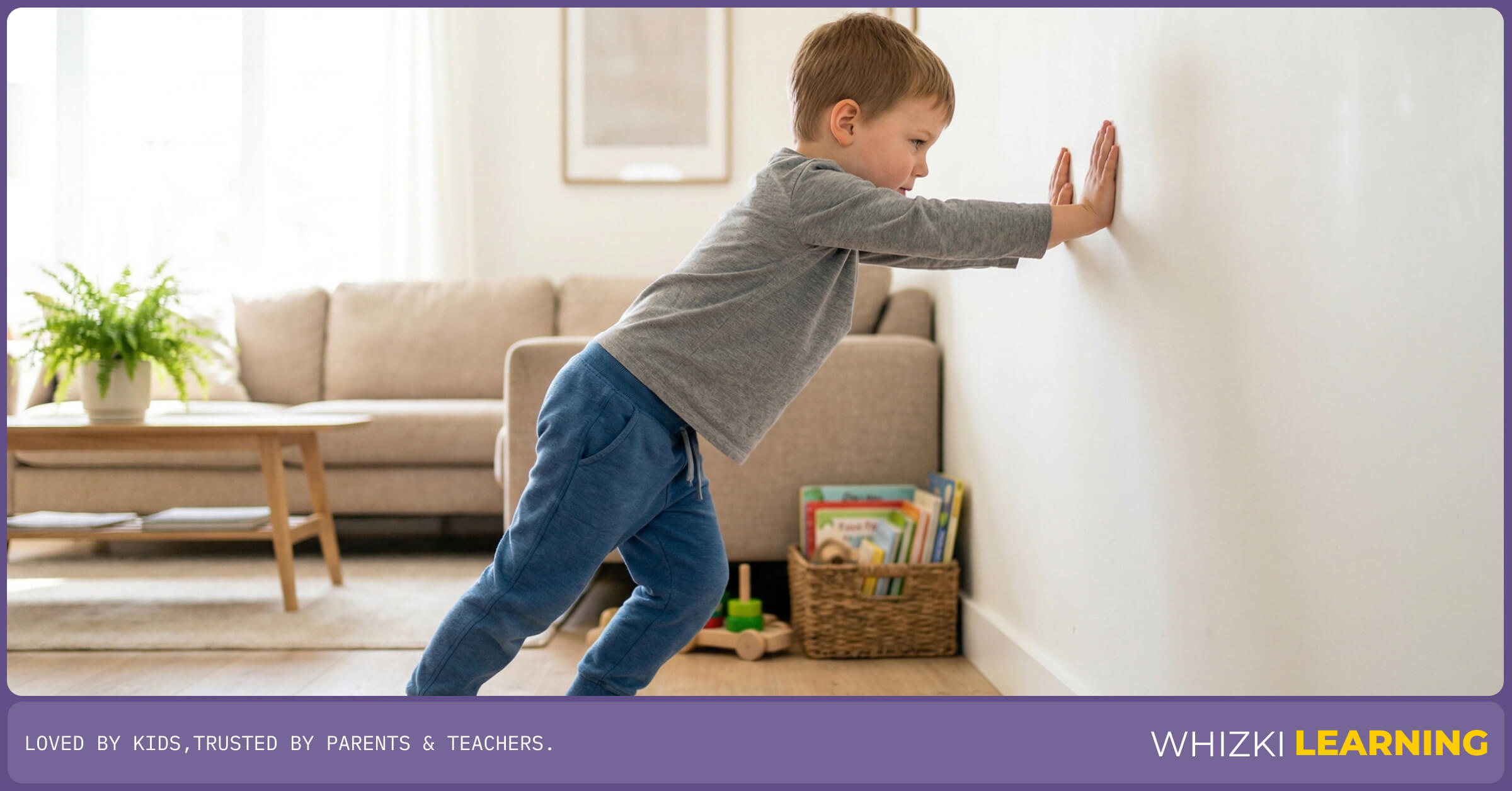
- 1. The Wall Push: The child stands facing a blank wall and pushes against it with flat palms for ten solid seconds. Wall pushing directly wakes up shoulder stabilizing muscles, which matter for supporting the arm during seated writing tasks.
- 2. The Animal Crawl: The parent guides the child to bear-crawl or crab-walk heavily across the living room carpet. Crawling helps the child bear their own body weight through their hands, waking up the hand muscles that support a more mature pencil grip.
- 3. The Chair Lift: While seated at the desk, the child places their hands flat on the chair seat and pushes down to lift their own bottom off the chair for five seconds. Chair lifts deliver quick, intense proprioceptive input to the core and arms right before the child picks up a pencil.
Fine Motor Warm-Ups for Finger Control
Handwriting specialists explain that cold, stiff fingers struggle to make the smooth, controlled curves letters require. These three fine motor warm-ups target the pincer grasp muscles, giving you a smooth, physical bridge into preschool pre-writing exercises. And when the fingers feel ready, the pencil work tends to feel less like a fight and more like “I can do this.”
- 4. The Play-Doh Squeeze: The child squeezes and rolls a thick piece of dense modeling clay for two continuous minutes. Squeezing thick clay adds firm resistance, which quickly uses up extra “hand energy” and helps the fingers feel more relaxed and ready to trace.
- 5. The Finger Taps: The child touches the tip of their thumb to the tip of each individual finger in sequence, repeating the tap pattern on both hands. Sequential finger tapping takes real attention and helps isolate the exact fingers used for handwriting.
- 6. The Paper Tear: The parent provides a piece of scrap construction paper, and the child tears it into tiny strips using their thumbs and index fingers. Tearing paper makes the two hands work in opposite directions, building the bilateral coordination that writing needs.
Breath Control and Focus Regulators
Research on anxiety and attention shows that focused breathing can lower stress and help the brain shift into a calmer learning mode. These four quiet activities are a gentle bridge from active play into focused handwriting and letter formation practice. If your child tends to get restless fast, it can also help to build a short focus routine over time, like the kind of habit described in How to Build a 15-Minute Focus Habit Before Kindergarten. And if you’re looking for more screen-free ways to keep the brain busy while the body settles, you might also enjoy 10 Number Games to Play in the Kitchen (Ages 3-6).
- 7. The Hot Cocoa Breath: The child pretends to hold a hot cup of cocoa, breathing in deeply through the nose to “smell” the chocolate, then blowing out slowly through the mouth to cool it down. This simple visualization can slow the child’s breathing and settle the body.
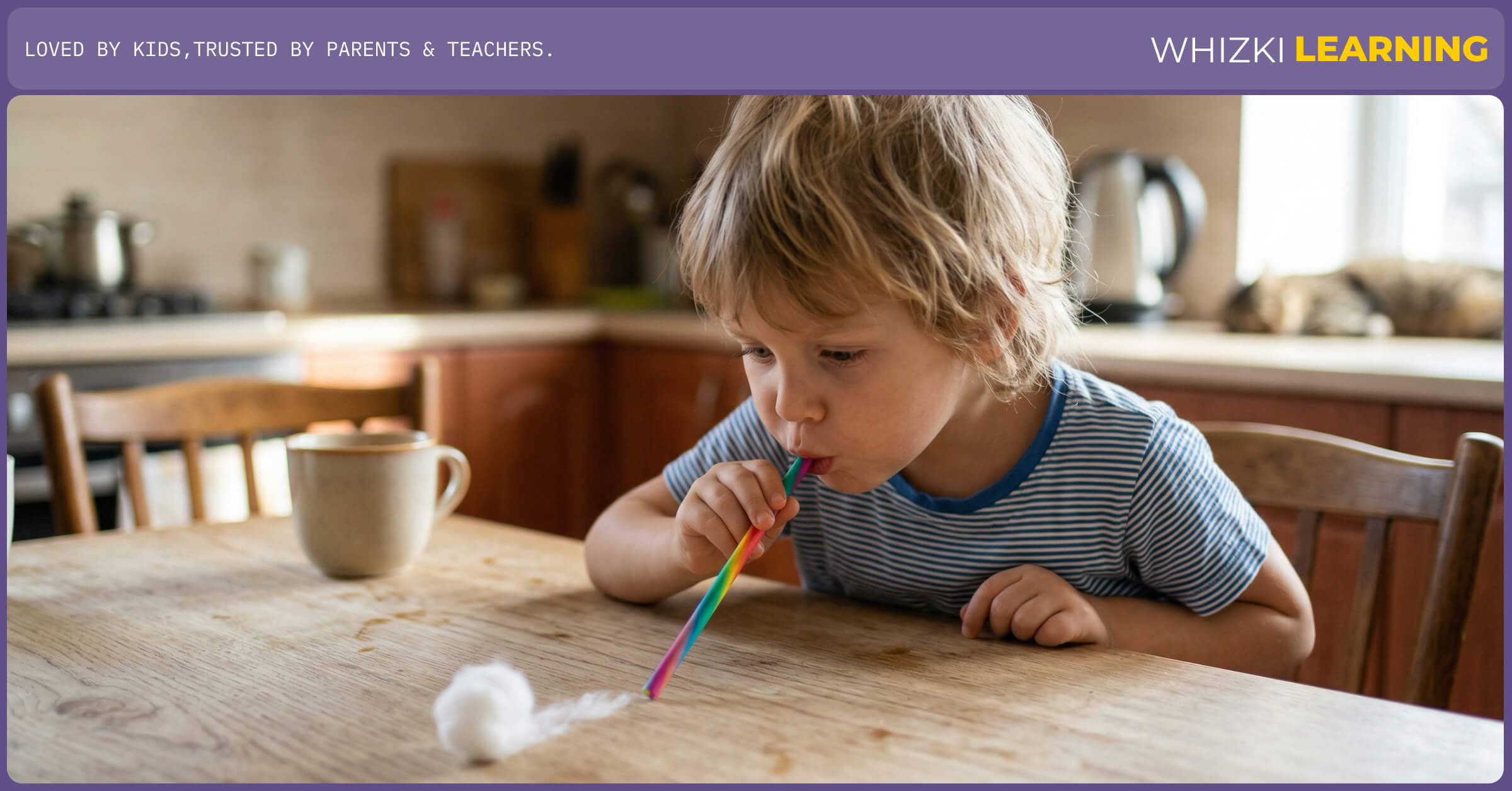
- 8. The Cotton Ball Race: The child uses a standard plastic drinking straw to blow a soft cotton ball across the kitchen table. Moving the cotton ball requires steady breath control and oral-motor focus, which naturally quiets a distracted preschooler’s mind.
- 9. The Silent Sand Timer: The parent flips a one-minute visual sand timer, and the child sits perfectly still with hands folded until the final grain of sand falls. Practicing stillness for just sixty seconds can reset a child’s attention baseline.
- 10. The Deep Pressure Hug: The parent wraps the child in a tight, firm hug for ten seconds right before handing over a printed workbook. A firm hug helps the child feel grounded and emotionally safe, which makes it easier to begin academic tasks.
Grounding Focus with Whizki Workbooks
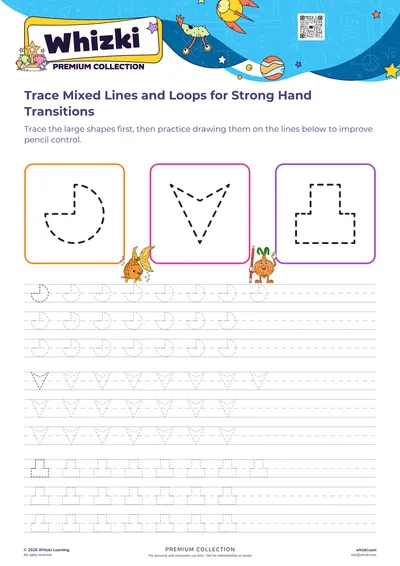
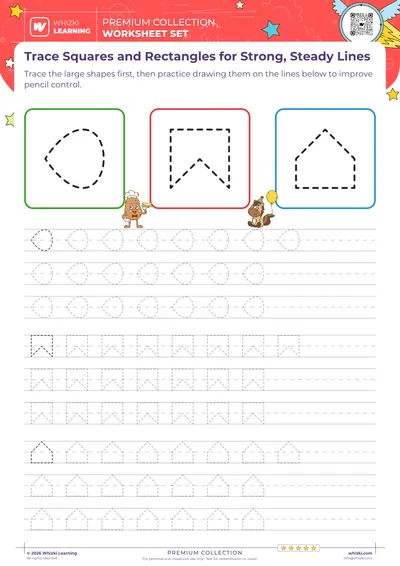
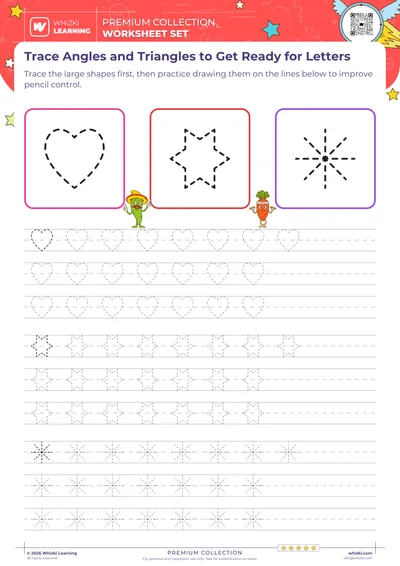
After using calm-down activities to help regulate the nervous system, children still need the right kind of paper and tactile experience to keep that focus going. Whizki printed kindergarten workbooks use premium 120gsm paper, which creates just enough physical friction for early writers. That thicker paper helps prevent the pencil from sliding all over the page, so the relaxed hand muscles can trace smoothly without constant frustration. When you move straight from deep-pressure games into Whizki screen-free workbook pages, you give the child a better chance at quick, tear-free handwriting success. And if you’re wondering how to handle the “I’m bored” moments that show up right before you start, this connects nicely with Why “Boredom” is the Ultimate Screen-Free Teacher.
Honoring the Physical Transition
Helping a young child get ready for handwriting is more than handing over a sharpened pencil and saying “Go.” It’s about recognizing that the body needs a physical transition. When parents and teachers build these 10 calm-down activities into the daily routine, they honor the child’s neurological need to shift from movement to seated effort. And when a child feels physically settled and emotionally secure, tracing letters stops feeling like a battle and starts feeling like a real, proud accomplishment.